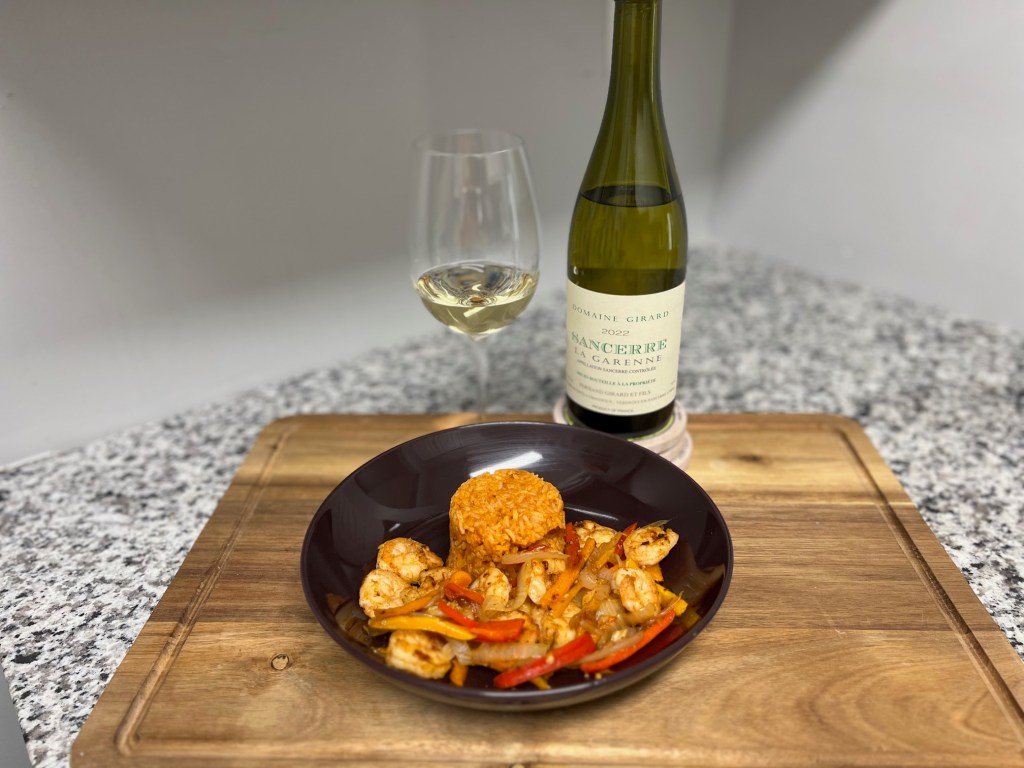
When in doubt and you don’t know anything about wines, just go for a Sauvignon Blanc. In the world of wine, when you hear the word Sancerre, it is primarily referring to a French Sauvignon Blanc. Sancerre is a wine-producing appellation located on the eastern side of the Loire Valley, in northwestern France. Therefore, I did not see the words “Sauvignon Blanc” on my wine bottle, instead the label had Sancerre as Appellation d’origine contrôlée (AOC) which in my learning vocabulary is considered otro vino chingón!
Sancerre is one of the most famous wines in the Loire Valley and whites are the dominant style in this region. Climate here is continental which means that there are significant temperature changes between the summer and winter seasons. These types of wines are known for their vibrant acidity and are typically lighter in style with flint stone flavors. But what does flint stone flavors actually mean? I mean that is the first questioned I asked myself when I learned about a French Sauvignon Blanc.
What the hell does flint stone flavors mean?
When I think of flint stone flavors, I automatically think of Fruity Pebbles, the cereal box, and the Flintstone Family. The sweetness in the cereal is actually quite the opposite of what this wine tastes like, but the idea is that stones in this region significantly influence the characteristics of the wine. Limestone and flint are the main soil types found in Sancerre, which are made up of mostly calcium carbonate and rich minerals. Grapes ripen fully when soils are well-drained and can retain heat.
Pairing a Sancerre with Fajitas de Camaron was something I wanted to experiment with the bell pepper flavor and lent season dish. The herbal flavors of a Sauvignon Blanc went well with the bell peppers in the fajitas. I discovered that the fresh herbaceous flavor in Sauvignon Blanc is derived from aromatic compounds called methoxypyrazine or “pyrazines” for short. Producers in the eastern Loire Valley, such as Sancerre and Pouilly Fumé, excel at crafting this distinctive style. Notably, when a wine exhibits green bell pepper characteristics, it tells us that it is from a region with more inclement weather, like a Sancerre. Also, the more exposure grapes have to sunlight, the less pyrazines there will be.
I marinated the shrimp in a mixture of olive oil, garlic powder, paprika, cumin, onion powder, and salt overnight. Then, I sautéed bell peppers and onions in a hot pan before adding the marinated shrimp. The shrimp fajitas were served with arroz. Finally, I squeezed a lemon which added a citrusy zing that brought out more vibrancy in the wine. Overall, the most important thing to remember is that all Sancerres are Sauvignon Blancs, but not all Sauvignon Blancs are Sancerres.
How much should I pay for a Sauvignon Blanc?
Si te gusta lo chingón, preparate a gastar un chingón! The price of a bottle is directly related to the complexity of the wine and buying a Sauvignon Blanc can range between $10 to $60 dollars. I spent about $30 bucks for this Sancerre bottle and was surprised that I enjoyed the flint flavors. When tasting a Sancerre bottle, I noticed a distinct difference compared to a Sauvignon Blanc from New Zealand. The prominent flint stone flavors of the Sancerre stood out to me, in contrast to the tropical passion fruit notes of a Sauvignon Blanc from New Zealand. I felt the aromas of apple and pear were more apparent in a Sauvignon Blanc from New Zealand than from France. Comparing both wines from different countries is a classic example of Old World tradition against New World innovation! Al final del día, no discrimino entre vinos, pero siempre es una experiencia divertida maridar platillos mexicanos y aprender sobre otro país (At the end of the day, I do not discriminate among wines, but it is always a fun experience to pair Mexican dishes and learn about another country).
Wine Bottle Name: Girard Sancerre La Garenne
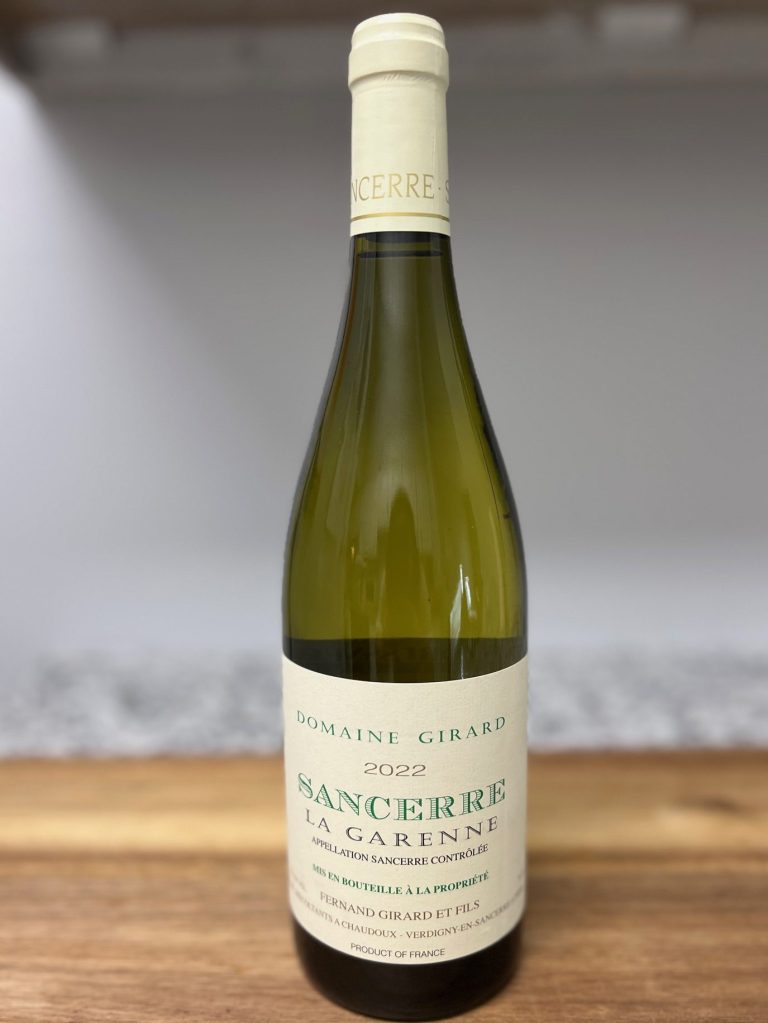
- Grape: 100% Sauvignon Blanc
- Region: France / Loire Valley / Sancerre
- Wine Style: White
- Alcohol Content: 13.5%
- Light Bodied
- Dry
- Medium Acidity
- Flavors: Fragrant aromas of pear and fresh citrus tease the senses. Characteristic flint and mineral support classic green Sauvignon Blanc notes of green grass and citrus zest as well as ripe clementine and Meyer lemon. The wine is balanced with a bright, refreshing acidity.
 WineMadrina