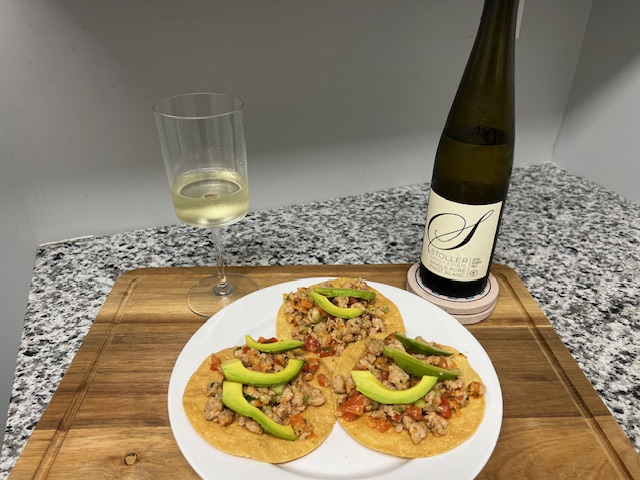
Craving a light, refreshing dish that screams summer but not in the mood for seafood or cooking in the kitchen? Look no further than Soy Ceviche, the dish you didn’t know could fuel the soul with zest, love, and vibrancy. This ceviche is a plant-based twist on the classic dish and friendly to everyone: vegans, pescatarians, gluten-free folks, and carnivores. When I offer people soy ceviche, I see puzzled facial expressions, as if they are skeptical they won’t like it but are nice enough to say yes because they probably see my facial expression full of excitement for them to try, so they feel pressure to say yes. That first crunch of that soy ceviche tostada, and the pleasant surprise, like omg, this is sooo good. What is it? And that’s where I thrive to explain. Welcome to another edition of our wine pairing blog, where we explore the perfect combinations of Mexican food and wine.
My inspiration for pairing Soy Ceviche Tostadas with a Pinot Blanc wine stems from my elementary school days “en el rancho” in Jalisco, México. I was first introduced to soy ceviche by my third grandma named Quintina. That’s right, I was blessed to have three grandmas and she is 103 and still living her best life. Let’s just say my grandpa era un “Don Juan” aka: a player in his younger years, and we never questioned calling her abuela. I met this abuela when I was 3 years old, and was always told to call her abuela. I was too young to understand my grandpa’s decisions, so I grew up thinking it was normal to have 3 abuelas.
During those days, parents or guardians would personally take packed lunches to their kids during recess. If it wasn’t packed, you had a couple of pesos to buy some lunch at school from the local entrepreneurs. Soy ceviche was a classic on the menu, as well as tacos de papa. All I knew was that soy ceviche was refreshing and easy to eat. We would make some with my school colleagues, and then we would go to the river for the hot days in the rancho.
Soy Protein: I found the soy protein at the local Mexican store in Louisville, Kentucky. Despite its appearance resembling camping food or cat food, soy ceviche is very easy and straightforward to make. I don’t judge the package’s looks, only the taste. This dehydrated soy protein can be rehydrated by soaking in water or broth, making it versatile as a meat substitute in a variety of dishes.
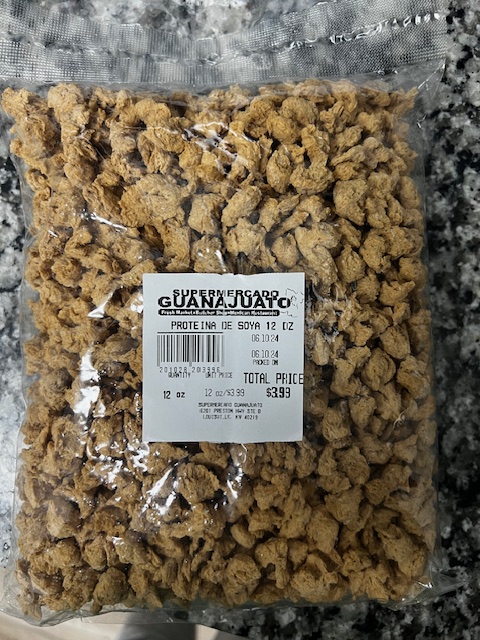
First, I boiled some water and added salt before adding the entire package of soy protein. This step is crucial as it allows time for the soy protein to cool while you prepare the veggies. Keep in mind that the soy protein package yields a generous amount of food; at times, I’ve used just half the package, as the volume increases once the veggies are added. After this, it’s time to clean and chop the vegetables. I squeezed fresh lime juice, and chopped cilantro, yellow onion or red (purple) onion, thinly shredded carrots, tomatoes, and cucumbers. I have also used Persian cucumbers from Costco, which provide a satisfying crunch, although any variety works well. As for the carrots, I used a grater for thin shreds.
What veggies did I use for the Soy Ceviche?
- Shredded carrots
- Diced tomatoes
- Chopped sweet yellow onion
- Chopped cucumbers
- Squeezed lime & lemon (1.25 cups)
- Cilantro
- Avocado
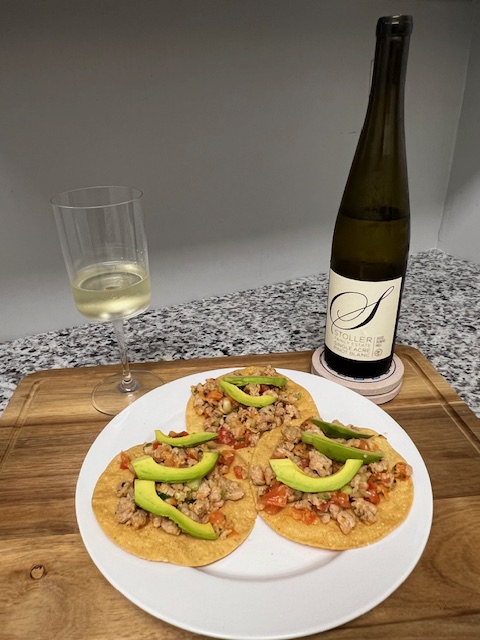
Personally, I believe the key to making a great ceviche is the balance between lime juice and chopped vegetables. The key is to finely dice the vegetables, allowing the tangy lime juice to seep into the spongy texture of the soy. This method ensures that every bite is infused with a burst of citrus. The lime’s acidity beautifully complements the sweetness of the carrot and yellow onion, while the cucumber adds a refreshing crunch that enhances the overall texture.
I grabbed the tostadas from a local Mexican store, but you can definitely make them yourself. Just make sure they’re a bit thicker than usual so they don’t get soggy from the ceviche juices. If they do get soggy, just eat them quickly!
Mix all the veggies, lime juice, and soy in a bowl, then let it chill in the fridge for about an hour. I usually leave it for a few hours because the flavors really soak into the soy and taste awesome.
And what better companion to this dish than a chilled glass of Pinot Blanc? The wine’s acidity complements the ceviche’s tartness, enhancing the overall freshness of the dish. The soy in the ceviche has a rich, savory flavor called umami. Pinot Blanc, with its light and slightly mineral taste, balances this richness. Together, they create a balanced and harmonious taste experience, making both the wine and the ceviche taste even better when enjoyed together. It’s like a dance of flavors, where the wine and the ceviche take turns leading, neither overpowering the other.
Pinot Blanc is grown in various places around the world, including France (especially Alsace), Italy, Germany, and the U.S. (particularly Oregon and California). Each region gives the wine its own unique flavors. For this tasting, we have a Pinot Blanc from Stoller in Oregon. Wines from this area often have a crisp and refreshing taste because of the cooler climate, which helps keep the acidity high. This makes the wine feel lighter compared to those from warmer regions, which may taste softer and rounder. Pinot Blanc generally features flavors and aromas of stone fruits like peach, nectarine, and apricot, along with hints of pears, apples, and citrus such as lemon. It can also have light floral notes. The wine is usually lively and fresh, with a clean finish. As it ages, it may develop nutty flavors.
But let’s not get too serious—pairing wine and food should be fun! Imagine enjoying this duo at a backyard picnic or a casual get-together with friends. The soy ceviche is a conversation starter, and the Pinot Blanc is a crowd-pleaser. Together, they make a match that’s not just about taste but about creating a joyful experience. So next time you’re in the mood for something different, skip the seafood and grab some tofu, whip up this soy ceviche, and pour yourself a generous glass of Pinot Blanc. Your taste buds will thank you, and so will your friends when they get a taste of this pairing perfection. Cheers to light, bright, and utterly delightful summer sips and bites!
Wine Bottle Name: Stoller Single Acre Pinot Blanc
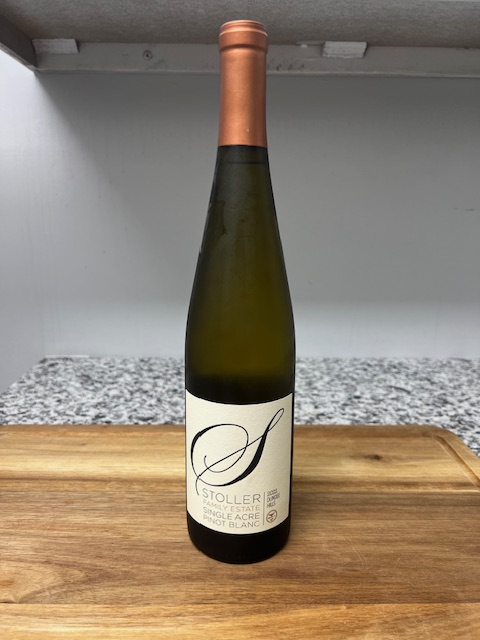
- Grape: 100% Pinot Blanc
- Region: Dundee Hills AVA/ Willamette Valley/Oregon/United States
- Wine Style: White
- Alcohol Content: 13.5%
- Medium Bodied
- Dry
- Medium Acidity
- Winemaker Notes: Vibrant aromas of wet stone, perfumed jasmine, and pear jump out of the glass, while the palate has a generous presence yet remains light on its feet, dancing across the tongue with flavors of yellow apple, clementine, and Meyer lemon. A succulent acidity carries this elegant wine to a long, mouthwatering finish.
 WineMadrina